Table of contents
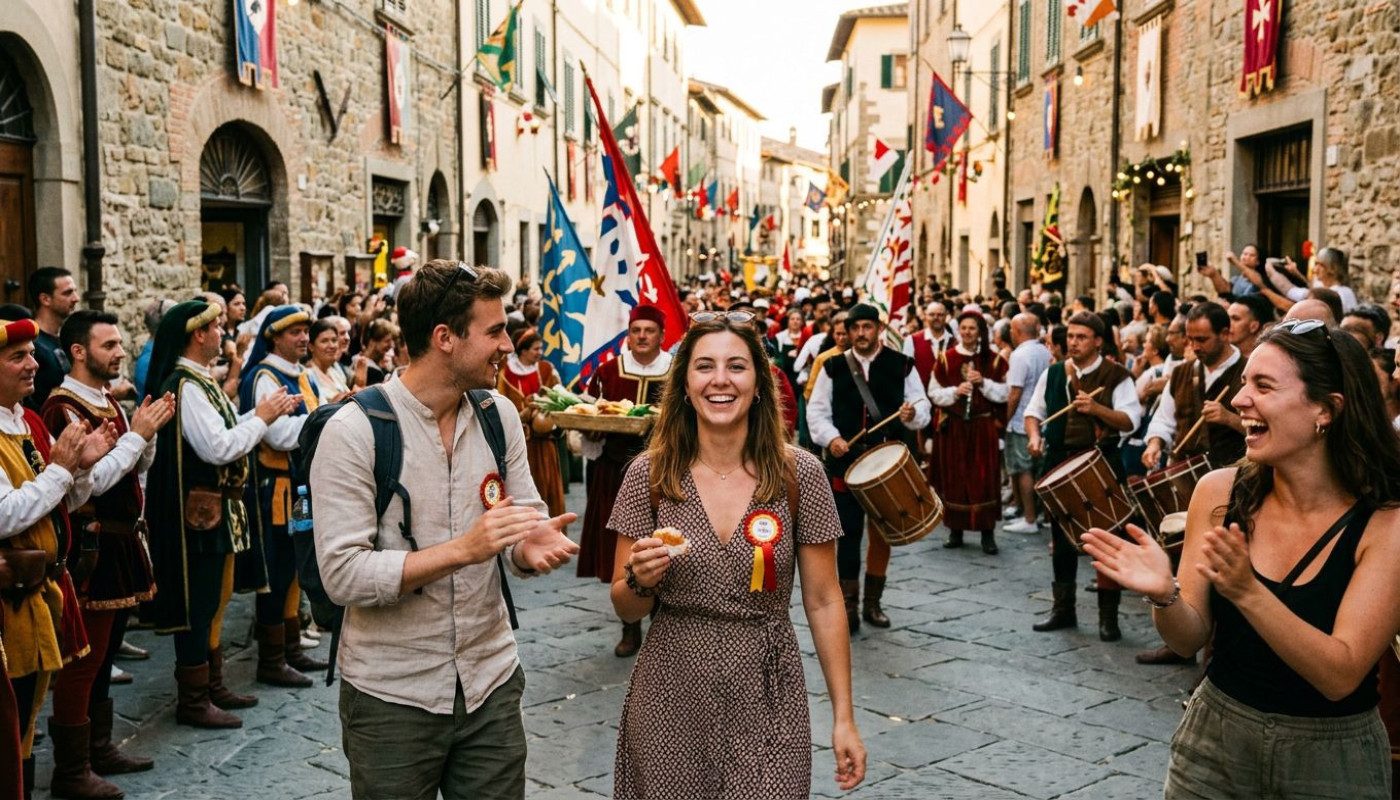
Forget the bucket-list checklist, the real travel hacks now come with a timetable and a brass band. Across Europe and beyond, local festivals are reshaping how people build itineraries, shifting trips away from “see the sights” routines toward date-driven journeys built around music, food, religion, and neighborhood pride. The trend is measurable, too, as major events like Munich’s Oktoberfest or Edinburgh’s summer festivals pull in millions and push accommodation prices upward, while smaller celebrations quietly spread visitor spending across districts that rarely make guidebooks.
Festivals now dictate the calendar, not the other way around
Pick your destination, then find a festival? That logic is fading fast, and the numbers explain why. Edinburgh’s major summer events, anchored by the Edinburgh Festival Fringe, drew 3.2 million attendances in 2022, according to Fringe Society figures, a scale that effectively turns August into a fixed travel season for the city. Munich’s Oktoberfest welcomed about 7.2 million visitors in 2023, per the City of Munich, and the event’s gravitational pull routinely affects everything from flight availability to restaurant bookings, which means the “best week to go” is no longer a flexible notion, it is a specific set of dates.
This calendar-first approach has altered how travelers allocate time inside a trip. A festival day is not a museum day, and a parade morning changes how you plan transport, meals, and even what shoes you wear. Instead of stacking landmarks, visitors build around peak moments, opening ceremonies, headline sets, fireworks, and processions, and then they fill the gaps with nearby neighborhoods rather than cross-city commuting. That shift has a secondary effect: it spreads demand into shoulder periods around the event, when travelers arrive early to secure accommodation and acclimatize, or stay after to avoid price spikes and crowds.
The economic signals are hard to miss. Large, date-specific events create compressed demand, a classic recipe for higher short-term prices, and many cities see festival weeks outpace typical seasonal rates. Edinburgh’s August surge is well documented by hoteliers, while in cities with major religious celebrations, demand also rises for domestic travelers, not only international ones. For the reader planning a trip, the implication is practical: your itinerary is no longer simply “what to see,” it is “what is on, and what it changes,” because festival-driven travel rewards early booking and punishes last-minute improvisation.
The best stories happen beyond the main stage
You can attend a festival and still miss the city, that is the paradox many travelers discover after queuing for headline acts and never leaving the central venue. Yet local celebrations, especially those rooted in neighborhoods, reward the opposite approach: they pull visitors into side streets, community halls, riverbanks, and small squares where the atmosphere is less scripted and the cultural cues are richer. Think of food stalls run by local associations, or music that starts as background and becomes a procession, or the temporary rituals that residents recognize immediately and visitors only understand by watching closely.
This is where festivals redefine the itinerary most decisively: they reroute you. A normal city break tends to orbit monuments and central districts, while a festival can redirect footfall toward places that are otherwise “off-route,” including residential quarters where tourism is lighter and daily life is more visible. Urban tourism researchers have long described the pressure of overtourism in historic cores, and many city strategies now aim to disperse visitors; festivals often accomplish that organically by giving people a reason to move. Even a small local program can change the geometry of a trip, because it introduces a fixed point on the map and encourages exploration around it rather than repeated returns to the same central strip.
The most satisfying itineraries often combine one big “anchor” moment with several small discoveries. A night of concerts might lead naturally into a morning market that locals recommend because it is linked to the celebration, and that market might sit in a district you would never have visited otherwise. The travel payoff is not only cultural; it is also logistical. Concentrating a day around one area reduces transit time, makes meals easier to plan, and can cut costs if you are not constantly hopping between paid attractions. In practice, the festival becomes a navigation tool, helping you stitch together a route that feels coherent, lived-in, and far less generic than the standard top-ten list.
Data shows why festival trips cost more, and when they don’t
Prices are not just “higher,” they become more volatile, and festival travel is one of the clearest examples of that. When demand spikes into a narrow window, accommodation rates can climb sharply, and availability can evaporate even in large cities. A useful benchmark for the scale of festival economies is the UK’s music sector, which generated £6.1 billion for the UK economy in 2023, according to UK Music; while that figure covers much more than festivals, it illustrates how live events have become a major economic engine, with knock-on effects for hotels, transport, and food businesses whenever a city hosts a high-profile programme.
But the story is not simply “festivals make everything expensive.” Smaller, locally focused celebrations can offer the opposite: high cultural return with relatively modest costs, particularly when events are free and spread across public spaces. Travelers who are flexible about accommodation type, or willing to stay slightly outside the hottest zone, can often capture the atmosphere without paying peak rates. Another tactic is timing: arriving midweek before the weekend crescendo, or extending the stay after closing night, can reduce costs while preserving access to the city’s festival mood, which often lingers in pop-up bars and informal gatherings even after the official schedule ends.
There is also a budgeting reality that conventional itinerary planning overlooks: festivals change what you spend money on. Museum passes may matter less, while transport and food become more central, and if ticketing is involved, the earlier you commit, the more predictable the budget becomes. Conversely, relying on last-minute tickets can turn a trip into an expensive gamble, especially for events with limited capacity. The practical lesson is to treat a festival as a financial variable, not an optional add-on, because it influences both the baseline cost of being in a city and the day-to-day spending pattern once you arrive.
Porto proves how a city’s pulse reshapes routes
Porto is a vivid case study in how local celebrations can rewire a visitor’s plan, because the city’s strongest moments often happen in public, along the river, in hillside neighborhoods, and in streets that force you to walk rather than rush. When the calendar turns to the grandes festas, including São João in late June, the city’s energy becomes its own itinerary, with packed waterfront areas, grilled sardines, music, and the kind of street-level participation that makes a rigid schedule feel beside the point. Instead of racing between viewpoints, travelers tend to build days around where the atmosphere concentrates, and then follow it as it shifts from afternoon to night.
In practical terms, that means a Porto trip built around local festivities looks different from the typical first-timer plan. You may prioritize walkable routes between the Ribeira, Miragaia, and the bridge crossings, plan meals around street food and neighborhood tascas rather than reservations, and treat the river as a central axis instead of a backdrop. It also changes what “must-see” means: a festival evening can be more memorable than another tiled church, and the best vantage point might be wherever locals naturally gather, not the most photographed lookout.
For travelers trying to structure that kind of experience without losing time on logistics, city-specific planning becomes valuable, especially when transport, viewpoints, and day trips compete with festival dates. For a detailed look at routes, practical tips, and what to prioritize in and around the city, https://www.porto-trip.com/ offers a structured entry point, helping visitors connect Porto’s headline sights with the street-level rhythm that festivals amplify. The point is not to turn a celebration into a checklist, it is to use it as a compass, so the trip feels both organized and spontaneous, and you leave with stories that could only happen there.
What to book, what to budget, what to check
Start with dates, then lock accommodation early, especially for major weekends, and set a clear ceiling for tickets, transport, and meals so the festival premium does not quietly expand your spend. Check city websites for road closures and late-night transit, and look for free programming that often rivals paid events. If you qualify for youth, student, or resident-style discounts, verify eligibility in advance, because festival pricing moves quickly.
Similar

The Disconnect Dilemma: How Digital Detox Transforms Your Travel Experience

Exploring The Benefits Of Renting Luxurious Event Accommodations

How To Choose The Right Adventure Based On Your Interests?

The Impact Of Cultural Sensitivity Training On Hospitality Services
Enjoy the best places in Cannes with your private driver !

Exploring The Intersection Of Spanish Art And Culture Through Exclusive Museum Tours

Revitalizing Vacations: Why Choose A Holiday Home With A Sauna And Jacuzzi

The Ultimate Guide To Outdoor Activities Near Fréjus For Nature Lovers

Top Cultural Events You Can't Miss In Rome This Year
